
Artificial Intelligence
Where Does an AI’s Answer Come From?
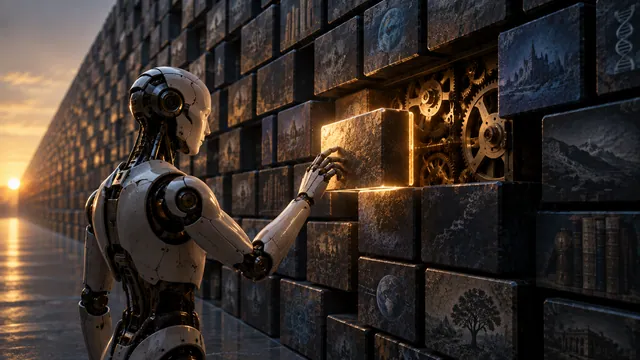
An AI may know more than any person could ever learn, yet still fail to know what you mean. Mike and Archie explore knowledge, context, retrieval and the meaning behind two words.
OLD IDEAS NEW INTELLIGENCE
The ledger
Notes, essays and field reports from the workshop.
Artificial Intelligence
An AI may know more than any person could ever learn, yet still fail to know what you mean. Mike and Archie explore knowledge, context, retrieval and the meaning behind two words.
Historical Automata
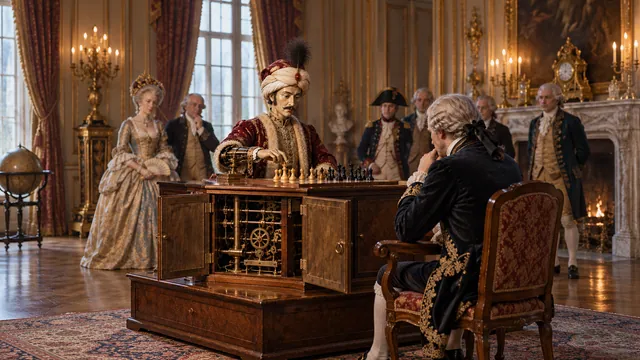
The Mechanical Turk appeared to play chess more than 250 years ago. Its secret was human, but the illusion raises a surprisingly modern question: where do we decide intelligence resides?
Artificial Intelligence
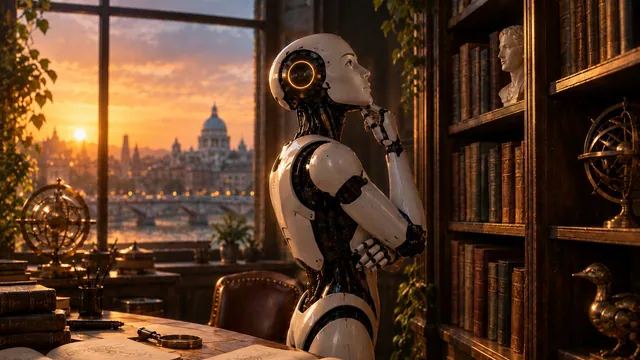
An exploration of whether artificial intelligence really understands us, and how context, memory and shared history can make an AI begin to feel personal.
Historical Automata
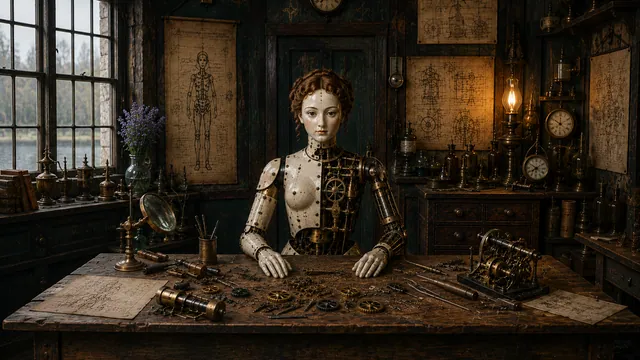
Before machines could calculate, predict or converse, they learned to move. A history of automata and the machines that taught us to see intention in mechanism.
Historical Automata
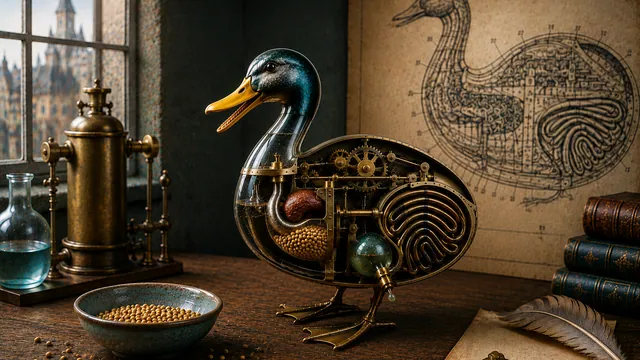
In 1738, Jacques de Vaucanson built a mechanical duck that appeared to eat, drink and digest. Nearly three centuries later, its greatest trick raises a surprisingly modern question about artificial intelligence.
Artificial Intelligence
A philosophical exploration of intelligence, human learning, Turing, nature and nurture, and whether artificial intelligence might be better understood as alternative intelligence.
Projects
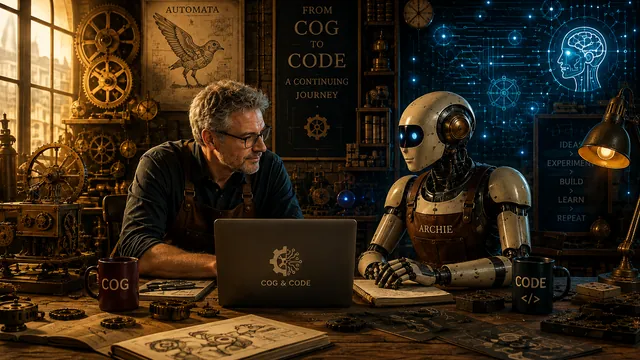
The story of how Mike and Archie built Cog & Code together, from a blank repository and a conversation to a working website.
Artificial Intelligence
From brass cams and clockwork figures to software agents and AI: the long-running human ambition to put increasingly sophisticated behaviour into machines.
Historical Automata
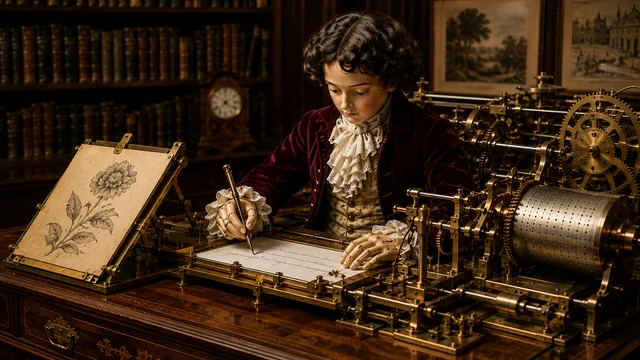
Around 1800, Henri Maillardet built a machine that could draw, write poetry and preserve its creator's identity in brass.